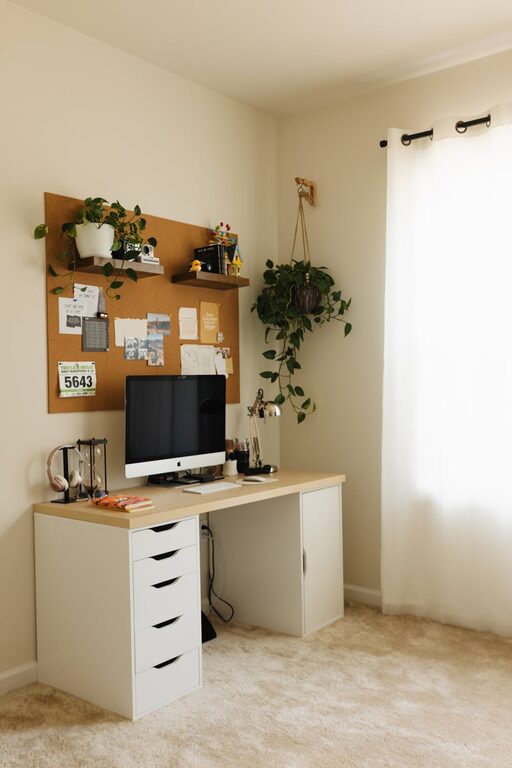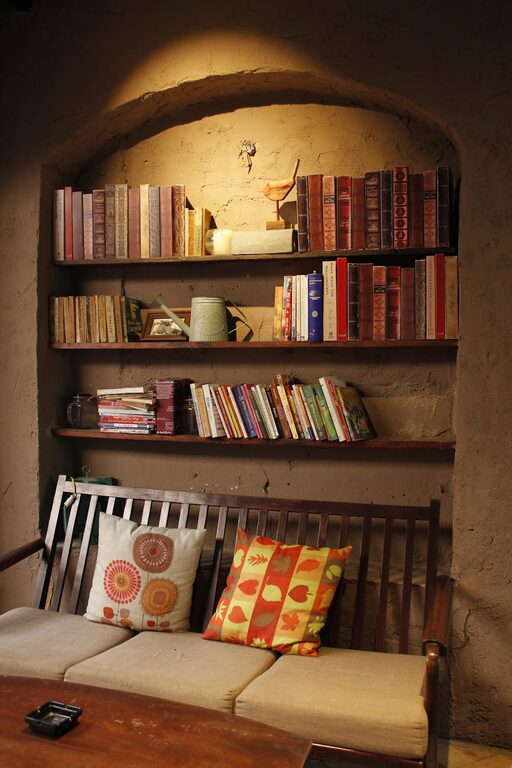
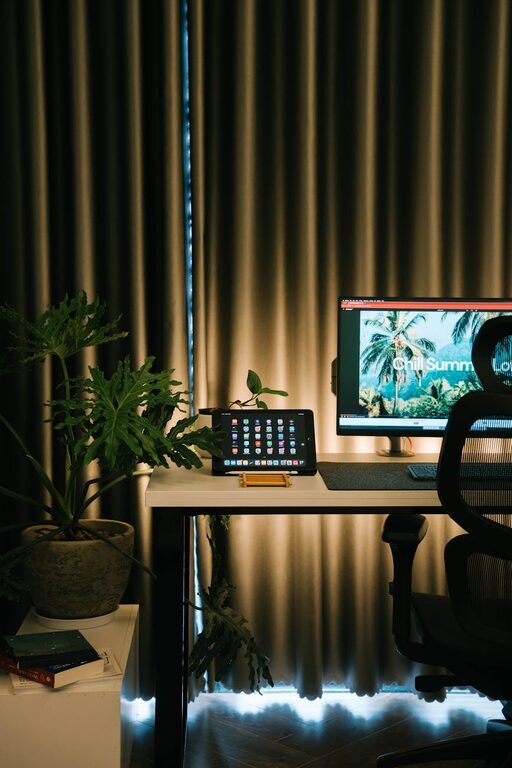
Creating a relaxing home office environment is essential for maintaining productivity and well-being, especially as many people spend increasing amounts of time working from home. A well-designed space that promotes calmness can help reduce stress, improve focus, and make your workday feel more pleasant. Whether you have a dedicated room or just a small corner in your home, these tips will help you shape a workspace that feels both comfortable and functional.
1. Choose the Right Location
Selecting the right spot in your home for your office is the first step to creating a relaxing workspace. Ideally, this should be a quiet area away from household distractions such as the TV or kitchen. Natural light is also crucial; try to position your desk near a window to take advantage of daylight, which can boost mood and energy levels.
2. Invest in Comfortable, Supportive Furniture
Ergonomics play a vital role in comfort and relaxation. Your chair should support your lower back and encourage good posture, while your desk should be the correct height to prevent strain on your wrists and shoulders. Adjustable chairs and desks can be especially helpful for tailoring the setup to your needs.
3. Declutter and Organise Your Space
Clutter can increase feelings of stress and reduce productivity. Keep your desk tidy by organising papers, stationery, and devices in drawers or storage boxes. Consider investing in shelves or filing cabinets to store items that you don’t need every day.
4. Choose Calming Colours and Décor
Colours affect mood more than many realise. Soft, muted tones such as blues, greens, or gentle greys can create a soothing atmosphere. Avoid bright or overly stimulating colours in your office. Personalise the space with minimal décor like plants, artwork, or photographs that inspire you without overwhelming the senses.
5. Incorporate Natural Elements
Adding natural touches to your office can improve relaxation and air quality. Indoor plants are an excellent choice; they bring life to the room, reduce pollutants, and have been shown to lower stress. Even a small succulent or a vase of fresh flowers can brighten the space.
6. Control Lighting Effectively
Aside from natural light, ensure your workspace has appropriate artificial lighting. A desk lamp with adjustable brightness can reduce eye strain during darker hours. Avoid harsh overhead lighting that casts glare on computer screens. Consider warm LED lights to create a cosy ambience.
7. Minimise Noise Distractions
Noise can be a major source of stress when working. If your office is in a noisy part of the home or near a busy street, think about soundproofing options such as heavy curtains, rugs, or acoustic panels. Noise-cancelling headphones can also help you focus.
8. Maintain Good Air Quality
Fresh air makes a space feel more pleasant and can help you stay alert. If possible, open windows regularly to let in fresh air. A small air purifier can also improve air quality by filtering dust and allergens.
9. Personalise Your Workspace Thoughtfully
Personal touches make your office feel welcoming. Display a few meaningful items or motivational quotes, but avoid overloading your space. Balance is key to ensure these additions enhance rather than clutter your environment.
10. Establish Boundaries and Routines
A relaxing home office isn’t just about the physical space; it’s also about mindset. Set clear working hours and create routines to separate work from leisure. This can help you switch off at the end of the day and prevent burnout.
—
By considering these practical tips, you can create a home office environment that supports both productivity and relaxation. A thoughtfully designed space not only makes working from home more comfortable but also contributes to overall well-being. Start making changes today and enjoy a more calming workspace tomorrow.