
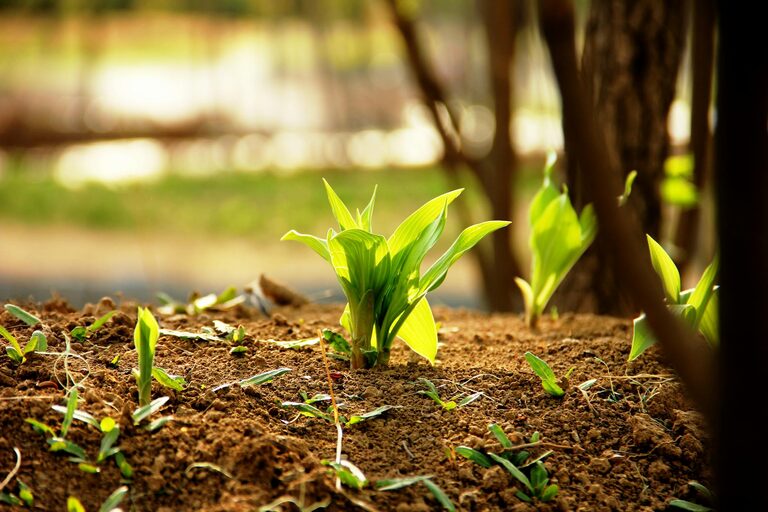
Creating a sustainable garden at home is a rewarding way to connect with nature while reducing your environmental footprint. Sustainable gardening focuses on practices that conserve resources, enhance biodiversity, and promote healthy ecosystems. Whether you have a sprawling garden or a small balcony space, there are many simple steps you can take to make your outdoor area more eco-friendly. In this article, we’ll explore practical tips to help you create a sustainable garden that thrives throughout the seasons.
Plan Your Garden Thoughtfully
Before planting, consider the overall design of your garden. A well-planned layout maximises space, conserves resources, and supports local wildlife.
Choose Native Plants
Native plants are adapted to your local climate and soil conditions, making them easier to grow and less demanding on water and nutrients. They also provide vital habitat for local pollinators and birds. Visit your local garden centre or botanical gardens to find recommendations for plants native to your region.
Group Plants by Water Needs
Arrange plants with similar water requirements together. This principle, called hydrozoning, helps avoid overwatering some plants while underwatering others, conserving water and preventing disease.
Improve Soil Health Naturally
Healthy soil forms the foundation of a sustainable garden. It promotes strong plant growth while reducing the need for chemical fertilisers.
Use Organic Compost
Composting kitchen scraps and garden waste returns valuable nutrients to the soil. Regularly adding homemade or purchased organic compost improves soil structure and moisture retention.
Mulch to Retain Moisture
Apply organic mulch – such as bark chips, straw, or leaf litter – around plants to reduce evaporation, suppress weeds, and protect soil organisms. Mulching can also moderate soil temperatures during extreme weather.
Conserve Water Wisely
Water is a precious resource in any garden, so using it efficiently is key to sustainability.
Collect Rainwater
Installing rainwater butts or barrels allows you to capture and store rainwater for irrigation. This reduces reliance on tap water and helps manage stormwater runoff.
Water in the Early Morning or Evening
Watering during cooler parts of the day reduces evaporation and ensures plants absorb more moisture.
Use Drip Irrigation or Soaker Hoses
These watering systems deliver water directly to the plant roots, minimising waste and helping you keep your garden hydrated efficiently.
Encourage Biodiversity
A sustainable garden supports a range of wildlife, including beneficial insects, birds, and other creatures that help maintain balance.
Plant a Variety of Flowers and Shrubs
Include plants that bloom at different times to provide nectar and pollen throughout the growing season. Diverse plantings attract a wider range of pollinators and beneficial insects.
Create Habitat Features
Add bird feeders, birdbaths, log piles, or insect hotels to offer shelter and food sources. These features encourage natural pest control and support your local ecosystem.
Minimise Chemical Use
Avoid pesticides and herbicides that can harm wildlife and contaminate soil and water.
Use Natural Pest Control Methods
Encourage ladybirds, lacewings, and other natural predators by providing suitable habitats. Hand-pick pests when possible and use organic sprays like neem oil only as a last resort.
Control Weeds Organically
Use mulch to suppress weeds, pull them out by hand, or use natural weed preventers. Avoid synthetic herbicides to protect beneficial organisms.
Choose Sustainable Materials
Consider environmentally friendly options when selecting tools, containers, and garden structures.
Use Recycled or Reclaimed Materials
Repurpose old wood, bricks, or stones for raised beds, paths, or borders. This reduces waste and adds character to your garden.
Opt for Sustainable Tools
Invest in durable, repairable garden tools made from sustainable materials to reduce waste over time.
Maintain Your Garden Thoughtfully
Ongoing care ensures your sustainable garden continues to flourish year after year.
Rotate Crops and Practice Companion Planting
If you grow vegetables, rotate crops annually to reduce soil depletion and pests. Companion planting can enhance growth and reduce the need for chemicals.
Prune Responsibly
Regular pruning encourages healthy plant development. Use sharp tools to make clean cuts and avoid damaging plants.
Recycle Garden Waste
Chop and drop pruned branches or leaves back into beds as mulch or add them to your compost pile to recycle nutrients.
—
Creating a sustainable garden is an enjoyable process that pays dividends for your home and the environment. By choosing appropriate plants, caring for the soil, conserving water, and encouraging biodiversity, you can build a thriving garden that supports a healthier planet. Start small, stay consistent, and watch your green space flourish sustainably for years to come.